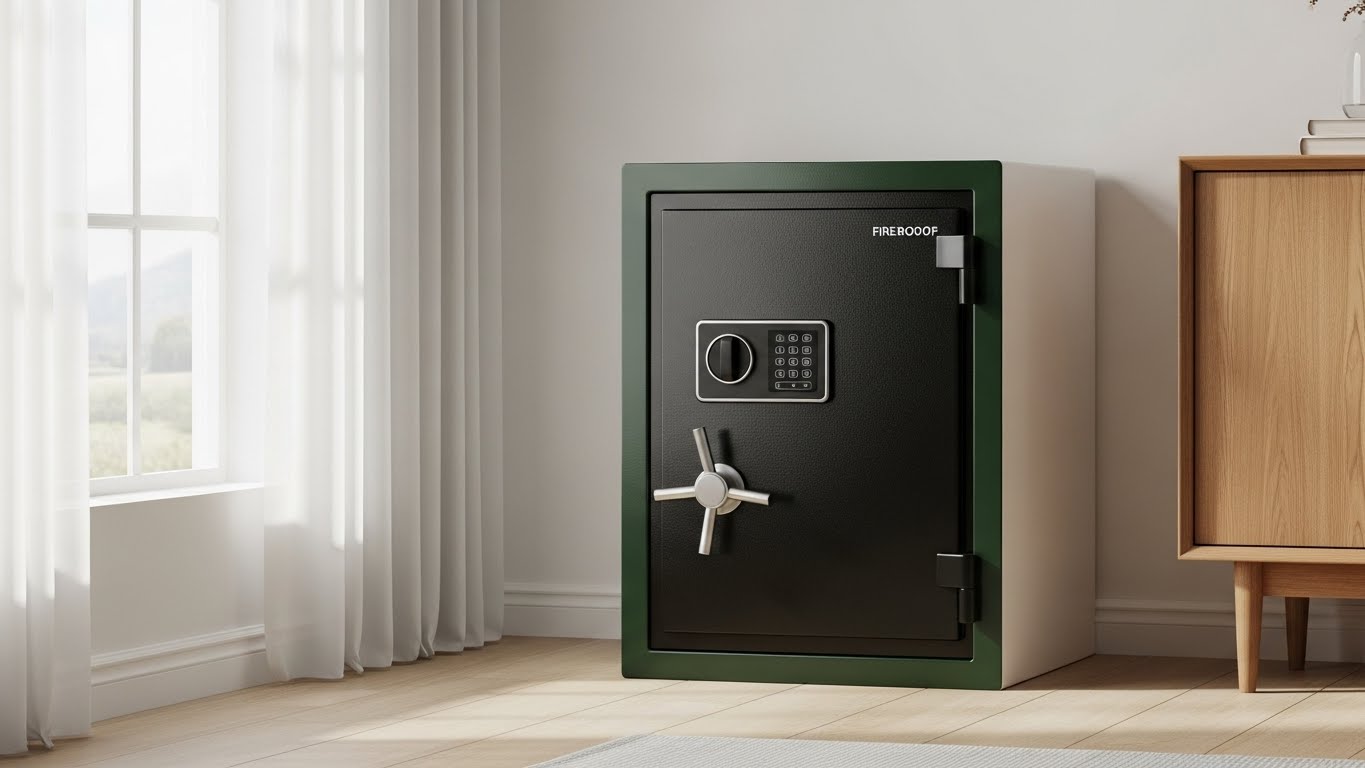
Buying a safe is not something most people plan for it usually comes after hearing about a fire accident, document loss, or a close call. Suddenly, protecting important papers and valuables becomes a top priority. If you’re researching Eagle Safe, you’re already on the right track, because fire protection is often more important than people realize.
But before choosing any model, it’s important to understand what you’re actually buying, how fire ratings work, and which features matter for daily use. Not all safes are the same, and choosing the wrong type can leave your valuables unprotected when it really matters.
This guide breaks down the most important things you should know before buying an Eagle Safe, in simple terms, so you can make a smart and confident decision.
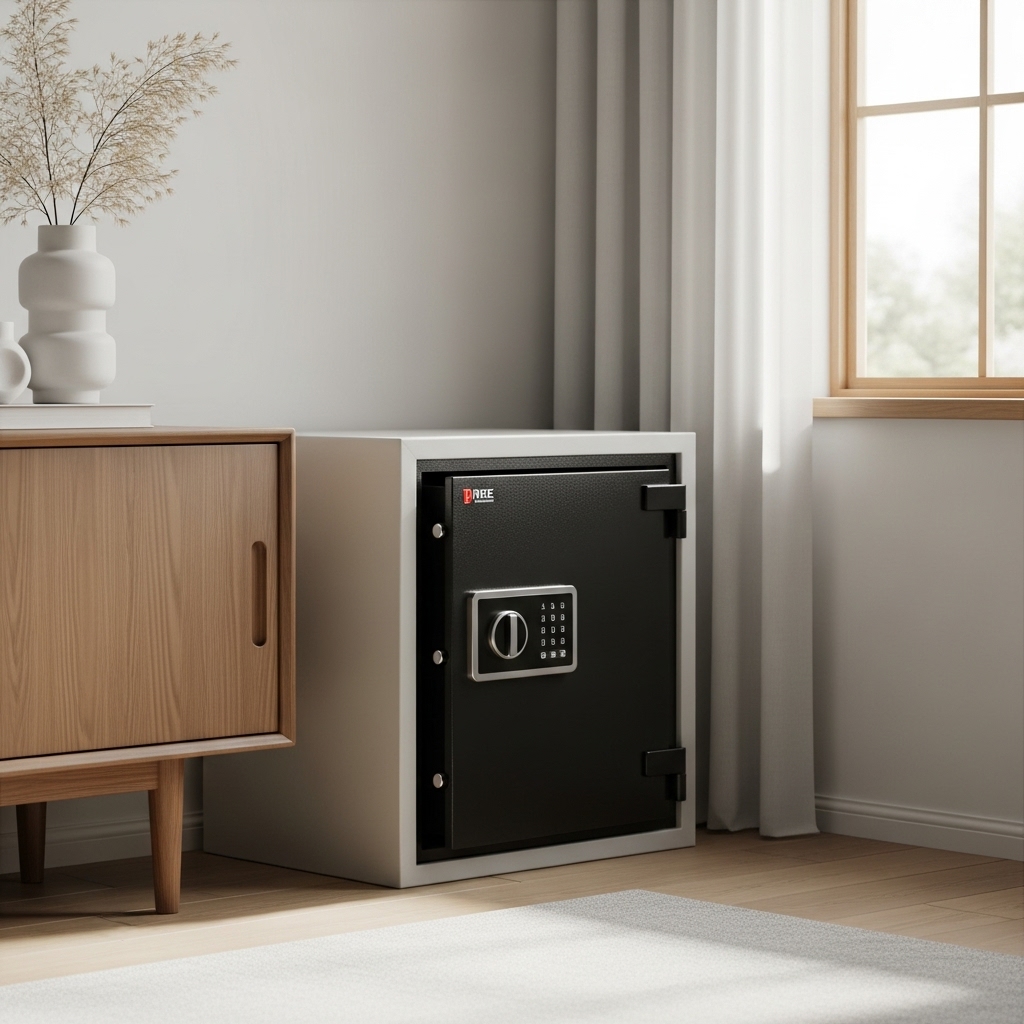
Fire Protection Is the Main Purpose of an Eagle Safe
The biggest strength of an Eagle Safe is fire resistance. These safes are designed to protect paper documents, cash, and small valuables when exposed to extreme heat during a fire.
Unlike regular steel cabinets, fire safes use special insulation layers that slow down heat transfer. This keeps the inside temperature low enough to protect items even when the outside temperature is dangerously high.
If your main concern is protecting documents like passports, property papers, insurance files, and business records, a fireproof safe is far more useful than a basic metal locker.
Always Check the Fire Certification Rating
Not all fire safes are tested the same way. Quality Eagle safes come with certifications such as UL, SP, or KS, which means they have been tested in furnace conditions that simulate real building fires.
For example, a UL 350 rating means the internal temperature stays low enough to protect paper even when external temperatures reach around 945°C. Most Eagle models offer either 60-minute or 120-minute fire ratings.
This time window is crucial because it gives firefighters enough time to control the fire before the contents are damaged. When comparing models, always check how long the safe is rated to protect its contents.
Fireproof Does Not Mean Fully Theft-Proof
This is something many buyers misunderstand. Eagle safes are built primarily for fire protection, not high-level burglary resistance.
That said, they still provide solid basic security with:
- Thick steel doors
- Strong locking bolts
- Anti-pry construction
These features make forced entry difficult for casual attempts, but they are not designed to stop professional burglars using heavy tools. If burglary resistance is your main concern, you may need a dedicated burglary-rated safe. But for document safety and everyday valuables, Eagle Safe offers a good balance of protection and practicality.
Size Matters More Than You Expect
Many people buy a safe thinking only about what they need to store today. A few months later, they realize the safe is already full.
Before buying, think about:
- Current documents and valuables
- Future paperwork
- Backup drives or folders
It’s usually better to choose a slightly larger model than the bare minimum. Also, remember that fire safes are heavy. Make sure the location you choose can support the weight and has enough space for door opening.
Lock Type Affects Daily Convenience
Eagle safes come with different locking options, and your choice affects how easy the safe is to use.
Digital Keypad
- Fast access
- No physical keys to lose
- Easy to change code
Key Lock
- Simple and reliable
- No electronics
- Must store the key safely
Biometric (on some models)
- Quick fingerprint access
- Useful in shared offices
- Slightly higher cost
For home use, digital keypad models are usually the most convenient. For offices with multiple users, biometric or multi-code models can be more practical.
Interior Design Can Save You Time and Frustration
It may sound minor, but the inside layout of a safe matters a lot in daily use.
Good interior features include:
- Adjustable shelves
- Document trays
- Drawer systems (for filing cabinet models)
- Interior lighting on larger safes
If you plan to store files and folders, filing-style models may be more useful than standard box-style safes. Organized storage also reduces the chance of damaging papers when you’re in a hurry.
Buy From a Trusted Seller With Warranty Support
Fire safes are long-term safety products. Buying from unknown sellers may save a little money, but it can cause problems later if you need warranty support or replacement parts.
Always look for:
- Genuine product guarantee
- Manufacturer warranty
- Proper delivery handling (safes are heavy)
- Customer support availability
Buying from a trusted store also helps ensure that the safe you receive matches the fire rating and certification promised in the product description.
Is an Eagle Safe Worth Buying?
If your main goal is protecting important documents and valuables from fire, then yes Eagle Safe is a solid and reliable choice. It offers certified fire resistance, practical designs, and options for both home and office use.
It may not be the best option if you need extreme burglary protection, but for everyday fire safety, it performs exactly as intended. Considering how difficult and stressful it can be to replace documents, investing in a fireproof safe is often much cheaper than dealing with the consequences of losing them.
In the end, a safe is not something you hope to use it’s something you’re grateful to have when you need it most.
Frequenlty Asked Questions
Can I install a fireproof safe on upper floors or inside cupboards?
Yes, most fireproof safes can be installed on upper floors or inside cupboards as long as the floor can support the weight. It’s important to measure door clearance and ensure proper ventilation if the safe is placed in tight spaces.
Will heat damage digital items like USB drives inside the safe?
Some Eagle safes are designed mainly for paper protection. While they reduce heat significantly, digital media may require special data-rated protection. If you store USB drives or hard disks, placing them inside fire-resistant pouches adds extra safety.
How often should I change the digital lock code?
For home use, changing the code every few months is usually enough. In offices where multiple people have access, it’s better to change codes more frequently, especially after staff changes or security concerns.
Do fireproof safes need regular maintenance?
Fire safes require very little maintenance. It’s good to check the locking system occasionally, replace keypad batteries when needed, and keep the interior dry and clean to protect documents from moisture.
Leave a Reply