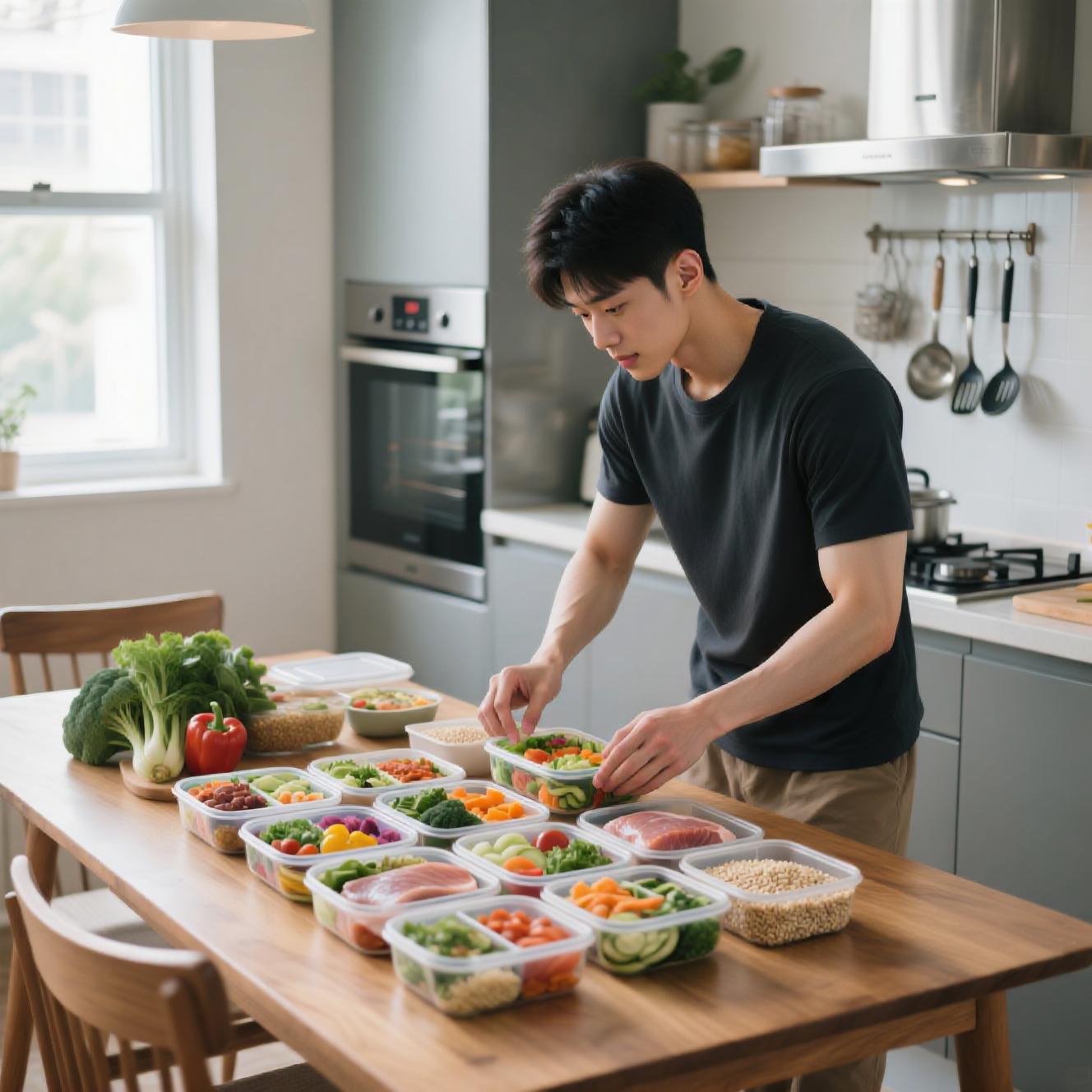
Meal prepping has become one of the most popular ways to save time, reduce stress, and eat healthier during the week. But if you’ve ever tried to meal prep for an entire week, you probably know the biggest problem: food going bad too soon. There’s nothing more frustrating than putting hours into cooking on Sunday, only to find by Thursday that your meals smell weird or taste off.
So, how do you meal prep for 7 days without food going bad? The answer lies in planning smart, storing meals properly, and knowing which foods last longer than others. Think of this guide as your friendly roadmap to eating well all week while avoiding waste.
Let’s break it down step by step.
Why Meal Prep for 7 Days?
Before we get into the details, let’s talk about why meal prepping for a whole week makes sense.
- Saves time – Instead of cooking three times a day, you only cook once or twice.
- Saves money – Buying ingredients in bulk is cheaper, and you’re less tempted to order takeout.
- Reduces stress – You don’t have to think “What should I eat today?” every few hours.
- Healthier choices – When you prep ahead, you’re less likely to snack on junk food.
But all these benefits work only if your meals stay fresh. If food spoils, you’ll waste money, time, and effort. That’s why learning the science of food storage is key.
The Golden Rule of 7-Day Meal Prep
Here’s the truth: not all meals are meant to last 7 days in the fridge. Some foods naturally spoil faster. The trick is to:
- Cook and refrigerate meals for the first 3–4 days.
- Freeze the meals for days 5–7, then reheat them.
This way, nothing sits too long in the fridge, and your food stays safe and tasty.
Step 1: Choose Foods That Last Longer
When meal prepping for a week, your choice of ingredients makes a huge difference. For example:
- Proteins that last longer: chicken breast, ground turkey, salmon, boiled eggs, beans, lentils, tofu.
- Veggies that hold up well: carrots, broccoli, spinach, zucchini, sweet potatoes, cauliflower.
- Carbs that stay fresh: rice, quinoa, couscous, whole wheat pasta, oats.
Avoid foods that spoil fast, like fresh seafood (unless frozen), avocado (browns quickly), or leafy herbs without proper storage.
Instead of preparing meals that rely heavily on these short-lived items, use ingredients that can handle refrigeration and freezing.
Step 2: Cook Smartly
Cooking style also plays a role in how long meals last. Saucy or baked dishes usually last longer than fried foods. For example, a baked chicken with herbs will stay good longer than fried chicken wings. Soups, curries, and stir-fries freeze and reheat beautifully.
If you know you’ll freeze some meals, slightly undercook veggies and pasta so they don’t get mushy after reheating.
Step 3: Master Storage
This is the most important step if you don’t want your food going bad.
- Use airtight containers: Glass or BPA-free plastic works best. Airtight lids prevent bacteria and bad smells.
- Cool before storing: Don’t put hot food directly into the fridge; let it cool for about 30 minutes.
- Label everything: Write the date so you know when to eat each meal.
- Freeze smart: Keep days 5–7 meals in the freezer. Take them out the night before to thaw in the fridge.
Proper storage is what separates a successful 7-day meal prep from spoiled food.
Sample 7-Day Meal Prep Plan
Here’s an example of how to structure your week without worrying about food going bad.
Days 1–3 (Fridge Meals)
- Grilled chicken with quinoa and roasted veggies
- Lentil curry with rice
- Pasta with tomato sauce and spinach
Days 4–5 (Transition Meals)
- Turkey stir-fry with brown rice
- Baked salmon with sweet potato mash
Days 6–7 (Frozen Meals)
- Veggie soup (frozen in portions)
- Taco bowls with beans, rice, and seasoned beef
This mix ensures freshness while giving you variety.
Step 4: Portion Like a Pro
Instead of keeping one big container of rice or curry, divide meals into single-serve containers. This prevents repeated opening, which exposes food to bacteria and shortens shelf life. Plus, portioning makes it easier to grab and go.
Step 5: Don’t Forget Snacks and Breakfast
Meal prepping isn’t just about lunch and dinner. If you want your week to truly run smoothly, prep breakfasts and snacks too.
- Breakfast ideas: overnight oats, boiled eggs, smoothie packs (frozen fruit + spinach to blend later).
- Snack ideas: hummus with carrots, fruit bowls, Greek yogurt, nuts.
By covering snacks, you avoid reaching for chips or candy midweek.
Common Mistakes to Avoid
Even if you follow the basics, many beginners make mistakes that cause food to spoil.
- Not cooling food before storing – Causes condensation and bacteria growth.
- Overfilling containers – Leaves no space for airflow, making food spoil faster.
- Storing meals too long in the fridge – Never push past 4 days. Freeze instead.
- Skipping labels – You’ll forget what’s inside, and meals go to waste.
How to Reheat Meal Prep Without Losing Taste
One complaint about meal prep is that reheated food doesn’t taste fresh. But with the right tricks, you can enjoy flavorful meals all week:
- Reheat rice with a sprinkle of water to keep it fluffy.
- Warm soups and curries slowly on the stove instead of blasting in the microwave.
- Add fresh toppings (like avocado, herbs, or cheese) just before eating to bring back freshness.
Final Thoughts
Meal prepping for 7 days without food going bad is totally possible if you plan wisely. Remember these rules:
- Cook for 3–4 days fresh.
- Freeze meals for later in the week.
- Store in airtight containers.
- Choose ingredients that last longer.
Think of meal prep like a system: cook, portion, store, freeze, and reheat. Once you get into the rhythm, you’ll save time, eat healthier, and never stress about “what’s for dinner?” again.
Frequently Asked Questions (FAQ)
1. How do I meal prep for a week without food going bad?
Plan for 3–4 days in the fridge and freeze the rest. Use airtight containers and choose foods that hold up well in storage.
2. What meals last a full 7 days in the fridge?
Soups, curries, baked chicken, lentils, beans, and roasted veggies last longer than fried or fresh seafood meals. Still, it’s safer to freeze meals for days 5–7.
3. Can I freeze rice and pasta for meal prep?
Yes! Cook slightly under, freeze in portions, and reheat with a splash of water. This keeps the texture fresh.
4. How do I keep salads fresh for a week?
Keep toppings separate. Store greens in airtight containers with a paper towel to absorb moisture. Add dressing only when ready to eat.
5. Is freezing meal prep safe and healthy?
Absolutely. Freezing locks in nutrients and keeps food safe. Just thaw in the fridge overnight before reheating.
Leave a Reply